
5 Science-Backed Fitness Strategies Every Person Over 50 Should Be Using in 2026
- Bob Racer

- May 12
- 6 min read
The science of fitness for adults over 50 has never been more exciting — or more specific. What works at 30 is not what works at 55, and the research is finally catching up.
If you've been spinning your wheels with generic workout advice, these five evidence-backed strategies are exactly what you need to hear. They're not trends. They're backed by real studies, real data, and real results in people just like you.
Why Generic Fitness Advice Falls Short After 50
After 50, your body plays by different rules. Hormonal shifts slow muscle protein synthesis. Sarcopenia — the age-related loss of muscle mass — accelerates. Recovery takes longer, joints need more respect, and cardiovascular adaptations happen differently.
The good news? Researchers have been studying exactly this. The strategies below are drawn from the latest meta-analyses and clinical trials focused specifically on adults in the 50-plus age group. Let's dig in.
1. Creatine Supplementation for Women Over 50
If you're a woman over 50 and you're not taking creatine, you're leaving serious gains on the table. Once dismissed as a "bodybuilder supplement," creatine monohydrate has become one of the most researched and recommended supplements for older women.
Here's why it matters so much after menopause: estrogen plays a major role in maintaining muscle mass and bone density. When estrogen drops, so does your body's natural ability to protect those tissues. Creatine helps fill that gap.
Research shows that creatine supplementation in postmenopausal women supports:
• Increased muscle strength and power output • Improved bone mineral density when combined with resistance training • Better exercise performance and faster recovery • Possible cognitive benefits, including improved memory and processing speed
The recommended dose is simple: 3–5 grams of creatine monohydrate daily. Take it consistently, with or without food. No need to "load" — just be consistent. It's one of the safest, most affordable supplements available.
2. Polarized Training: The 80/20 Rule for Sustainable Cardio Gains
Most people over 50 make the same cardio mistake: they do everything at a moderate, "somewhat hard" intensity — every single session. This is sometimes called the "gray zone," and it leads to chronic fatigue, stalled progress, and a higher risk of overuse injuries.
Polarized training, also known as 80/20 training, is the approach elite endurance athletes have used for decades — and it works just as well for everyday fitness in your 50s and 60s.
Here's how it works:
• 80% of your cardio sessions are done at LOW intensity — a conversational pace where you could easily hold a full sentence • 20% are done at HIGH intensity — true effort, where speaking more than a few words is a challenge
The research on this approach is compelling. Studies consistently show that polarized training produces better cardiovascular adaptations with lower injury risk and better long-term adherence compared to moderate-intensity steady-state training.
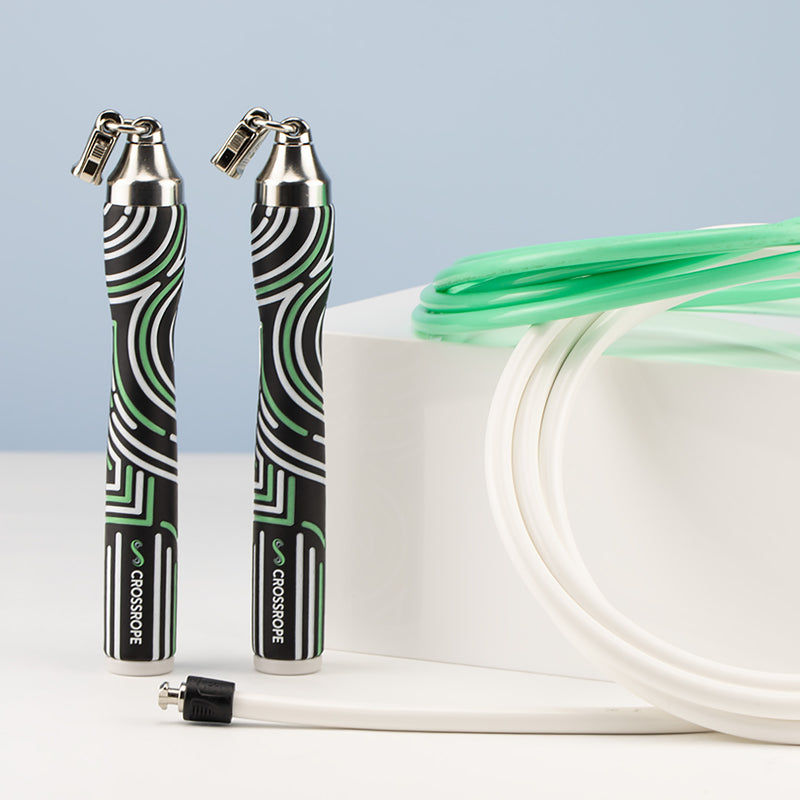
For your low-intensity days, think brisk walks, easy cycling, or light jump rope work. If you're curious about adding jump rope to your routine, check out my full Crossrope review for adults over 50 — it's one of my favorite tools for low-impact cardio (use code ARP15 for a discount).
For your high-intensity days, think short intervals: 20–30 seconds of hard effort followed by recovery. Two or three high-intensity sessions per week is plenty.
3. Brain Endurance Training for Men Over 50
This one is newer — and it's fascinating. Brain Endurance Training (BET) combines cognitive challenges with physical exercise to build mental toughness and improve both brain and body performance simultaneously.
For men over 50, this is particularly relevant. Research suggests that men experience a more gradual but steady hormonal decline (primarily testosterone) that affects energy, motivation, and cognitive sharpness. BET targets both the mind and body at once.
In practice, BET might look like this:
• Doing mental tasks (math problems, memory games, word recall) during rest periods in a workout • Training in environments with mild distractions or stressors • Using apps that present cognitive challenges during steady-state cardio • Practicing complex movement patterns that require focus and coordination
Studies show that BET participants show greater improvements in exercise tolerance, perceived effort management, and even mood regulation compared to those who do physical training alone. It trains your brain to push through discomfort — a skill that pays off in every area of life.
You don't need a fancy app to start. Simply add a memorization challenge or mental math during your next rest period between sets. Start small, and build from there.
4. Resistance Training to Combat Sarcopenia
If there's one non-negotiable on this list, it's this: you must be lifting weights. Not occasionally. Consistently.
Sarcopenia — the progressive loss of muscle mass with age — begins accelerating after 50. Without intervention, adults can lose 1–2% of their muscle mass per year. Over a decade, that's a dramatic shift in strength, metabolism, and independence.
A 2025 meta-analysis of resistance training in adults over 50 found that a structured program produced an average gain of approximately 1.1 kg of lean muscle mass. That might sound modest, but it represents a complete reversal of the natural aging trend — and those gains come with real-world benefits:
• Higher resting metabolic rate (you burn more calories at rest) • Improved insulin sensitivity and blood sugar regulation • Stronger bones and reduced fracture risk • Better balance and reduced fall risk • Improved mood, confidence, and cognitive function
What does an effective program look like? Aim for 2–3 resistance training sessions per week, focusing on compound movements: squats, deadlifts, presses, rows, and lunges. Progress gradually, prioritize form, and don't be afraid to go heavy — your muscles respond to challenge, not just repetition.
If you're not sure where to start, that's exactly what I help people figure out. Book a free consultation at over50fitlife.com and we'll build a resistance program specifically for your body and goals.
5. The Metabolic-First Approach to Fat Loss
Most fat loss advice after 50 sounds the same: "eat less, move more." But this oversimplification ignores the metabolic realities of aging — slower metabolism, hormonal changes, and a body that's more sensitive to stress hormones like cortisol.
The metabolic-first approach flips the script. Instead of just cutting calories, you focus on improving your body's metabolic machinery first — then fat loss follows naturally.
This strategy combines two powerful tools:
Zone 2 Cardio: Low-intensity aerobic work (like brisk walking, easy cycling, or light jump rope) done for 30–60 minutes, 3–4 times per week. Zone 2 specifically targets your mitochondria — the energy-producing units of your cells — and improves your body's ability to burn fat as fuel. It also supports heart health, reduces inflammation, and aids recovery.
Resistance Training: As discussed above, building lean muscle directly raises your resting metabolic rate. More muscle means more calories burned even while sitting still.
Together, these two approaches create a metabolic environment where fat loss happens sustainably — without extreme calorie restriction, exhausting HIIT sessions every day, or the rebound effect that crashes so many diets.
The key insight: prioritize building metabolic capacity first, and body composition improvements will follow. This is why I always recommend clients start with consistent zone 2 and resistance training before worrying about aggressive calorie deficits.
Putting It All Together: Your 2026 Over-50 Fitness Blueprint
These five strategies work together beautifully. Here's a simple weekly framework to bring them all to life:
• Monday: Resistance training (compound movements, 45–60 min) • Tuesday: Zone 2 cardio (30–45 min easy effort, low-intensity polarized session) • Wednesday: Resistance training + BET (add cognitive challenges to rest periods) • Thursday: Zone 2 cardio or rest • Friday: Resistance training • Saturday: High-intensity polarized session (20 min intervals) • Sunday: Active recovery or rest
Layer in 3–5g of creatine daily, stay consistent with your protein intake (aim for 1.2–1.6g per kg of bodyweight), and prioritize sleep — it's the most underrated recovery tool in any program.
Key Takeaways
• Creatine monohydrate is a research-backed supplement women over 50 should seriously consider for muscle and bone health • Polarized (80/20) training produces better cardio results with less burnout than grinding at moderate intensity every day • Brain Endurance Training challenges the mind and body simultaneously — a powerful edge for men navigating cognitive and physical changes • Resistance training is the single most important tool to fight sarcopenia and keep your metabolism strong • A metabolic-first fat loss approach (zone 2 + resistance) produces sustainable results without extreme restriction
The science is clear: adults over 50 can make remarkable fitness gains — often better than younger adults — when they train with an approach tailored to their biology. You just need the right strategies.
Ready to take the next step? Book your free consultation at over50fitlife.com and let's build a plan that actually works for your body.
This post contains affiliate links. If you purchase through my links, I may earn a small commission at no extra cost to you.


Comments